Economical Small Packaging Boxes: Perfect Solutions for Your Products!
Affordable small packaging boxes play an essential role in modern business strategy. They cut down on shipping expenses while elevating brand promotion strategies. Picking the ideal container can produce a remarkable opening experience, cultivating client allegiance. Nevertheless, the choosing procedure requires multiple factors, including dimensions and composition to personalization choices. Understanding these factors can greatly impact a brand's success. Which particular characteristics should companies emphasize to optimize their packaging effectiveness?
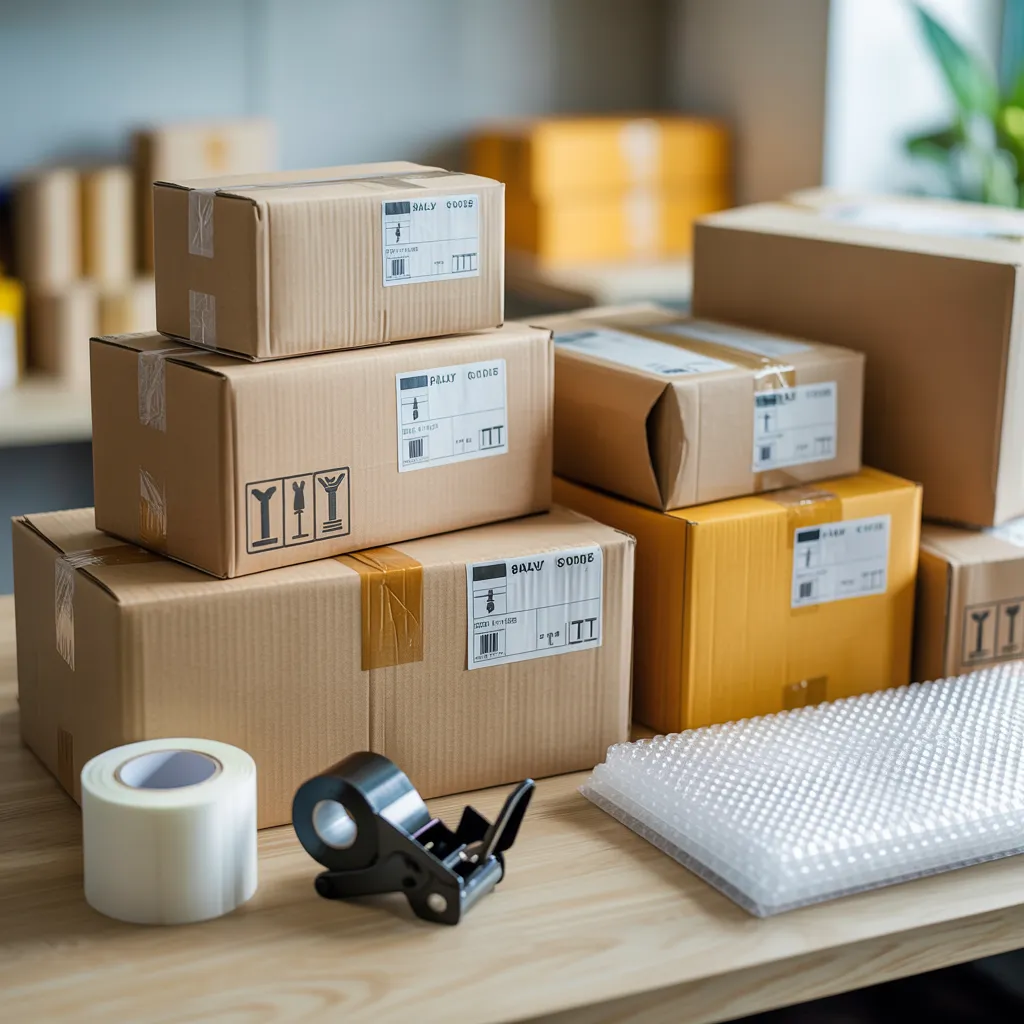
Why Affordable Small Packaging Boxes Matter for Your Business
Though numerous businesses focus primarily on quality of their products and cost, the critical role of affordable small packaging boxes shouldn't be dismissed. These boxes serve a crucial function in brand building, customer satisfaction, and cost management. For businesses, using affordable packaging options assists in reducing overall operational expenses while keeping a professional appearance. Small packaging boxes can enhance the unboxing experience, making it unforgettable for customers and promoting repeat purchases.
Additionally, cost-effective small packaging options allow businesses to keep competitive in their particular markets. By minimizing packaging costs, companies can either decrease their prices or channel more into other components of their operations, such as marketing or product development. Moreover, eco-friendly solutions in small packaging can appeal to environmentally conscious consumers, additionally improving brand reputation. On the whole, economical small packaging boxes are vital for businesses seeking to maintain equilibrium between cost-effectiveness with quality and customer engagement, eventually impacting their success in a competitive marketplace.
Key Factors for Selecting Small Packaging Boxes
Selecting the right small packaging boxes involves careful consideration of several key features that can greatly impact a business's efficiency and customer experience. First, the material used for the boxes is vital; options such as cardboard, kraft paper, or corrugated material provide varying levels of durability and protection. Second, the box design should accommodate branding elements, allowing businesses to boost their visibility while providing functional packaging. Third, consider the ease of assembly and closure; simple designs save time during the packing process. Additionally, boxes should be lightweight to lower shipping costs while still maintaining strength. Finally, eco-friendliness is increasingly important; opting for recyclable or biodegradable materials can appeal to environmentally conscious consumers. By focusing on these essential features, businesses can select small packaging boxes that not only protect their products but also improve the overall customer experience.
Selecting the Proper Size for Small Packaging
Selecting the correct size for small packaging is essential for maximizing both product protection and shipping efficiency. A properly-sized box decreases movement during transit, reducing the risk of damage to the contents. On the other hand, oversized packaging can cause increased shipping costs and wasted materials, which is counterproductive for businesses seeking affordability.
To identify the best size, businesses should assess their products precisely and consider additional factors such as cushioning materials. Custom-sized boxes may present an effective solution for unique product dimensions, delivering a snug fit. Furthermore, considering the end-user experience is essential; packaging that fits perfectly can boost customer satisfaction.
In the end, choosing the right size for small packaging not only safeguards products but also optimizes logistics and improves brand reputation. By emphasizing size efficiency, companies can attain a balance between cost-effectiveness and customer happiness, enabling successful product delivery.
Ideal Material Options for Small Packaging Boxes
When it comes to small packaging boxes, the choice of material has a vital role in guaranteeing product safety and cost-effectiveness. The most frequently used materials include cardboard, paperboard, and corrugated fiberboard. Cardboard provides lightweight protection and is easily customizable, making it a popular selection for diverse products. Paperboard is thinner and frequently used for items requiring less structural strength, such as cosmetics or small electronics.
Corrugated fiberboard, with its robust structure, is ideal for shipping and heavy-duty applications, providing excellent cushioning during transit. Furthermore, sustainable alternatives such as recycled materials are becoming increasingly popular, attracting eco-aware consumers. Every material option delivers unique advantages, helping businesses identify the most suitable alternative based on their specific demands and budget parameters. Ultimately, the right material can enhance the overall packaging experience while safeguarding the product within.
Imaginative Customization Suggestions for Brand Development
Even though small packaging boxes serve a utilitarian purpose, their potential for brand enhancement should not be overlooked. Customization options permit brands to create a distinctive identity that resonates with consumers. One successful idea is using vibrant colors and attention-grabbing graphics that reflect the brand's personality. Incorporating logos and taglines conspicuously on the packaging can enhance brand recognition.
In addition, creative shapes and designs can attract customer attention, making the product shine on shelves. Textured finishes, such as matte or gloss, can enhance touch experiences.
Organizations might also evaluate eco-friendly materials and designs that demonstrate sustainability values, appealing to environmentally conscious consumers.
Individual touches, for example handwritten notes or special inserts, create a personal connection. Ultimately, creative customization transforms small packaging boxes into powerful marketing tools that can boost a brand's image and build customer loyalty.
How Budget-Friendly Small Packaging Cuts Your Costs
Economical small packaging can significantly reduce shipping costs by reducing the weight and size of shipments. Furthermore, smaller boxes often produce diminished material waste, as they require fewer resources to manufacture and fill. This combination not only helps the environment but also boosts overall cost efficiency for businesses.
Lower Delivery Charges
Using small packaging boxes can substantially reduce shipping costs for businesses of all sizes. By decreasing the dimensions and weight of packages, businesses can take advantage of lower shipping rates supplied by carriers. Smaller boxes frequently fall into lower pricing tiers, producing considerable savings, especially for companies that ship often or in bulk. Additionally, smaller packages consume less space during transit, permitting carriers to optimize their loads and enhance efficiency. This not only leads to cost savings for the shipper but also speeds up delivery times. Moreover, reduced shipping costs empower businesses to allocate budgets for other critical areas, such as marketing or product development, ultimately driving growth and competitiveness in the market.
Reduced Production Material Waste Output
More compact packaging boxes not only bring about lower shipping costs but also help reduce reduced material waste. By employing compact designs, businesses decrease the amount of packaging material needed for each shipment. This efficiency not only lessens the environmental impact but also aligns with sustainable practices that consumers increasingly favor. Additionally, reduced material usage results in lower production costs, allowing companies to allocate resources more effectively. Smaller boxes often require less filler material, reducing the volume of waste generated during packaging and shipping processes. As a result, implementing affordable small packaging solutions fosters a more responsible approach to packaging, ultimately supporting both the bottom line and the environment. This strategic choice can enhance a brand's reputation while promoting sustainability.
Where to Purchase Budget-Friendly Small Packaging Boxes
While searching for affordable small packaging boxes, consumers possess various options to examine. Regional packaging providers typically provide personal attention and quick availability, while online retail platforms deliver simplicity and a greater variety. Additionally, wholesale distributors can be a cost-efficient option for quantity purchases, serving businesses seeking to lower packaging costs.
Local Packaging Vendors
While numerous businesses pursue cost-effective solutions for their packaging needs, finding local suppliers for affordable small packaging boxes can significantly boost their operational efficiency. Local packaging suppliers often deliver personalized service, facilitating businesses to discuss specific needs and receive tailored solutions. Nearness to suppliers can also result in reduced shipping costs and faster delivery times, which is crucial for meeting tight deadlines. Additionally, local suppliers may give the opportunity to inspect materials in person, guaranteeing quality and durability. Businesses can establish long-term relationships with these suppliers, leading to better pricing and consistent stock availability. By supporting local suppliers, companies can also bolster their local economy, creating a win-win situation for both parties.
Online Retail Platforms
Several online retail platforms present a vast selection of economical small packaging boxes, catering to businesses of all sizes. These platforms, for instance Amazon, ULINE, and eBay, feature an range of options in diverse sizes, shapes, and materials, ensuring that every product has a suitable packaging solution. Customers can simply compare prices and read user reviews, which assists in making informed purchasing decisions. Many of these retailers also regularly run promotions or discounts, strengthening affordability. Also, some platforms feature bulk purchase options, permitting businesses to save even more on their packaging needs. With streamlined delivery services, online retail platforms present a viable and practical way for companies to acquire small packaging boxes without departing from their premises.
Wholesale Distributors Options
Wholesale vendors present an ideal channel for businesses looking for affordable small packaging boxes, as they typically provide competitive pricing and a wide variety. These distributors typically keep large product selections, allowing companies to locate specific box sizes, materials, and designs suited to their products. Furthermore, purchasing in bulk from bulk suppliers can result in significant cost savings, making it an appealing solution for businesses of all sizes. Many wholesale suppliers also deliver customization services, helping brands to create unique packaging solutions that elevate their product presentation. Businesses can investigate nearby vendors or reputable e-commerce wholesalers, ensuring they discover the right fit for their packaging needs while leveraging economies of scale and reliable delivery options.
Advice for Properly Packing Your Products
While packing merchandise, efficiency is essential to minimizing costs and securing safe delivery. To start with, selecting the right size of small packaging boxes is critical. Boxes that are too large can result in wasted space and additional shipping costs, while overly tight boxes may damage the items. In addition, using cushioning materials, such as bubble wrap or packing peanuts, can safeguard fragile items during transit. Thirdly, arranging products strategically within the box helps maximize space; heavier items should be placed at the bottom, with lighter ones on top. Additionally, sealing boxes firmly with quality packing tape is crucial to prevent any accidental openings. Finally, labeling packages clearly helps with quick identification and reduces the risk of misdelivery. By following these suggestions, businesses can guarantee that their products are packed effectively, consequently improving customer satisfaction and reducing overall shipping expenses.
The Effect of Compact Packaging on Shipping Expenses
Small packaging significantly impacts shipping costs through several factors like weight considerations and dimensional weight pricing. Lighter parcels typically result in lower shipping fees, while strategic space allocation within shipping containers can minimize total freight costs. Understanding these elements is essential for businesses aiming to optimize their logistics and reduce costs.
Weight Considerations And Costs
The weight of packaging materials significantly impacts the weight of packaging materials. Lighter packaging reduces overall shipping expenses, making it an essential factor for businesses seeking to optimize their logistics. Small packaging boxes, designed to reduce weight without jeopardizing product safety, can generate significant savings. Companies that prioritize lightweight materials often see that their shipping costs decline, allowing for more competitive pricing or increased profit margins. Moreover, choosing the right packaging weight can enhance customer satisfaction, as lower shipping fees can be shared with consumers. Overall, the careful selection of small packaging solutions not only optimizes shipping processes but also supports cost-effective operations in a competitive market.
Dimensional Weight Rates
Dimensional weight pricing stands as a crucial element of logistics that substantially influences shipping costs. This pricing model takes both the weight and volume of packages into account, allowing carriers to charge based on the space a package occupies as opposed to its actual weight. For small packaging boxes, this means that even lightweight items can incur higher shipping fees if their dimensions exceed defined limits. As a result, businesses must examine the size of their packaging to optimize shipping expenses. By leveraging appropriately sized small packaging boxes, companies can successfully minimize dimensional weight charges. This strategic approach not only cuts shipping costs but also increases overall profitability, making it essential for businesses to examine their packaging choices meticulously.
Optimal Space Management
Businesses that emphasize efficient space usage can considerably influence their delivery expenses. Compact packaging solutions enable products to take up less space, decreasing dimensional weight that's essential for shipping costs. By fully utilizing space within shipping containers, businesses can decrease the number of parcels necessary for delivery. Such streamlining produces diminished shipping expenses and can elevate total logistics efficiency. Moreover, compact packaging solutions often produce lower material expenses, because less packaging material is essential. Finally, implementing small packaging solutions can refine operations, strengthen sustainability by minimizing waste, and elevate profit margins, making it a tactical option for companies looking to improve their delivery processes.
Case Studies: Companies Effectively Using Small Packaging Solutions
A variety of brands have successfully adopted small packaging solutions, recognizing their potential to enhance sustainability and reduce costs. For instance, a well-known cosmetics brand switched to smaller, eco-friendly packaging for its product lines, resulting in a 30% reduction in comprehensive article material costs and a significant decrease in waste. Another successful case is a gourmet snack company that introduced compact packaging, which not only reduced shipping costs but also attracted environmentally conscious consumers. This move produced a 25% increase in sales within a year.
Additionally, a tech accessory brand made use of small packaging to streamline its distribution process, efficiently reducing storage space and logistical expenses. Their innovative design also enhanced the unboxing experience for customers, strengthening brand loyalty. Combined, these case studies highlight how small packaging solutions can offer tangible benefits, driving both profitability and sustainability in different industries. Brands continue to recognize the competitive benefits of adopting these practices.
Common Questions
Can Compact Package Boxes Be Eco-Friendly?
Small packaging boxes can indeed be eco-friendly. Numerous producers currently provide choices crafted from recyclable or compostable substances, helping reduce environmental impact all while offering resilient and reliable solutions for diverse packing requirements.
How Do I Customize Small Packaging for My Brand?
To tailor small packaging for a brand, businesses can include custom designs, use unique colors, add logos, include personalized messages, and select materials that reflect the brand's values, elevating customer experience and brand recognition.
What Is the Average Lead Time for Small Packaging Orders?
Average lead time for small packaging orders commonly spans from 2 to 4 weeks, depending on factors like order amount, customization specifications, and the manufacturer's production schedule, which may impact delivery timelines considerably.
Do Small Packaging Boxes Have Minimum Order Quantities?
Indeed, several suppliers require minimum order quantities for small packaging boxes. These minimums can vary greatly, often ranging from fifty to several hundred units, depending on the supplier and specific product requirements.
Can Unused Small Packaging Boxes Be Returned?
Typically, unused small packaging boxes can be returned, on the condition that they are in original condition. Nevertheless, return policies change by supplier, so checking individual terms and conditions is important before commencing a return process.